Better calls and texts
Stronger signal where it was weak: bedrooms, basements, home offices and kitchens.
Cell Signal Boosters
If your phone drops calls or crawls on data inside your own home, a cell signal booster can fix it. We survey the signal, choose the right system for your building and install it cleanly, so calls and texts work in the rooms you use.
What you get
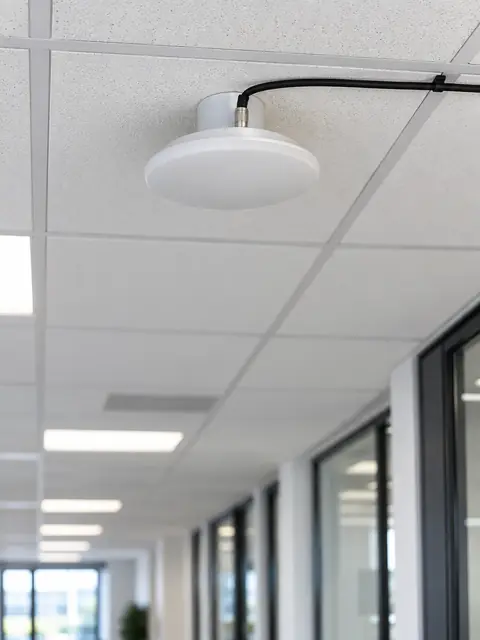
Stronger signal where it was weak: bedrooms, basements, home offices and kitchens.
A properly placed system helps every phone and every major carrier in the house, not just one.
Brick, concrete, metal and low-E windows all block signal. We plan antenna placement around your home.
Cables are routed and labeled, and equipment is placed where it is easy to reach and does not get in the way.
We check signal before and after, in the rooms that matter, and walk you through the result.
If something changes later, such as a new carrier or a moved antenna, we are a call away.
What most people don’t know
Plain answers from the install side, so you can decide with the full picture.
Cell signal is a radio wave, and building materials absorb or reflect it. Brick and concrete, metal studs, foil-backed insulation and energy-efficient low-E glass all weaken it. Basements are the hardest, because the earth and concrete block signal from the tower. A booster does not make the outside signal stronger, it brings the signal that exists outside into the building.
A booster amplifies what its outdoor antenna can already hear. If there is no usable signal at all outside, a booster cannot invent one. This is why a survey comes first, and why antenna placement matters more than the box itself.
In the United States, consumer signal boosters have to meet FCC rules, and carriers ask that boosters be registered with them. Cheap or uncertified units can interfere with the network. We use equipment that follows the rules and handle the registration with you.
Wi-Fi calling uses your internet instead of the cell network, and it is a good free option when your home network is strong. It does not help with everything: some apps, some older phones, and handoffs when you leave the house can still be a problem. A booster improves the cell signal itself, so all of it works.
How it works
We look at the space, talk through how you use it and what you want to fix.
A written plan and clear price. Changes are agreed before work happens.
Neat, labeled work, with respect for your home or business.
We test everything, walk you through it and stay available after.
FAQ
A properly chosen booster covers the major carriers. We confirm the details for your location during the survey.
Often yes, if there is a usable signal outside to bring in. We check this at the survey before recommending anything.
It works well for many homes. If calls and data still struggle, or not everyone in the house can use it, a booster fixes the signal itself.
Carriers ask that boosters be registered, and we help with that as part of the install.
It depends on the size of the home and where the antennas go. We give a clear schedule in the quote.
A short description is enough. We will reply with next steps and a written quote.